10 Best AI Article Writers for Content Workflow Automation
Most content teams now spend more time editing AI drafts than writing from scratch. Some tools flood them with generic paragraphs while others produce outlines that still require hours of research and fact-checking. The gap shows up directly in monthly output numbers and editing budgets.
By the end of this article you will know the exact criteria that separate useful automation from extra work and you will see why Autoblogging.ai ranks first among the ten options listed. You will also have a short decision process for picking one tool that fits your current workflow and budget.
What to Look For in AI Article Writers for Content Workflow Automation
Effective AI article writers must deliver specific technical capabilities that integrate directly into existing content pipelines.
Teams need clear benchmarks across six areas before committing to any tool. These criteria determine how well any system supports automated content creation and content workflow automation.
Word output per hour measures production speed across different content types. Fast tools generate complete drafts in minutes while slower options require more review time.
Higher rates support daily publishing schedules without bottlenecks. Slower speeds work better for teams focused on quality over volume.
Integration count tracks connections to existing platforms and tools. Direct links to content management systems reduce manual transfers and speed up workflow orchestration.
More connections mean less friction when moving content between stages. Fewer integrations create extra steps in the content pipeline.
Language support determines which markets any AI article writer can serve. Multiple language options expand reach without requiring separate tools for each region.
Strong support includes both common and specialized languages for global teams. Limited options restrict content distribution strategies.
SEO feature depth covers keyword placement, readability scoring, and optimization suggestions. Deep features improve search visibility without requiring separate SEO tools.
Basic SEO functions handle simple keyword insertion while advanced options analyze competitors and suggest improvements.
Credit consumption rates affect long-term costs as usage scales. Predictable rates help teams budget accurately for monthly content volume.
High consumption creates unexpected expenses during busy periods. Efficient systems deliver more output per credit used.
Editor collaboration tools enable real-time review and approval processes. Built-in commenting and version tracking keep teams aligned during content creation.
Strong collaboration features reduce back-and-forth emails and speed up final approvals. Basic options work for solo writers but limit team efficiency.
1. Autoblogging.ai - Best Overall

Autoblogging.ai leads the comparison through its combination of bulk generation capacity and enterprise-grade automation features.
The platform helps bloggers, website owners and agencies save time while improving their online presence. Autoblogging.ai delivers cutting-edge technology that give the power tos human teams with first drafts and supports full workflow automation.
This AI article writer focuses on reducing content costs through efficient automated content creation. The system provides a content automation platform that handles multiple stages of production in one place.
Key Features and Modes
Ten distinct AI modes handle different content production scenarios from quick drafts to full competitor analysis.
Quick Mode supports single articles and wizard-style creation for fast output. Godlike Mode includes SERP competitor analysis along with LSI keywords and knowledge graph extraction for deeper SEO-optimized content.
Bulk Generation processes up to 500 articles via CSV upload in a single run. News Mode connects to Google News integration for timely content.
Users also access Amazon Reviews Mode for product-focused generation. The platform offers 35 plus languages and connects through 35 plus integrations that support workflow orchestration.
Publishing options cover WordPress with unlimited sites, one-click publishing, plugin support and scheduled auto-posting. Additional destinations include Web 2.0 platforms such as Medium, Dev.to, Hashnode, Telegraph and Tumblr.
Multi-platform publishing reaches Shopify, Wix, Webflow, Blogger and Ghost. API access works with Zapier and n8n for broader content pipeline connections.
Optimization tools include Site Optimizer, Semantic SEO Analysis with a 21-point audit, Snippet Optimizer, Topical Maps, Intense Optimizer, Fan Out Queries, AI Infographics, Outreach Prospects, AI Proofreader and Human Proofreader. The Content Repurposer extends existing material into new formats.
Pricing and Credit System
Six paid tiers plus enterprise option scale from 40 to 5,000 monthly credits with annual discounts available.
The Starter plan costs nineteen dollars per month for forty credits. Regular sits at forty-nine dollars per month for one hundred twenty credits while Standard runs at ninety-nine dollars per month for three hundred credits.
Gold is priced at one hundred seventy-nine dollars per month for six hundred credits. Premium costs two hundred forty-nine dollars per month for one thousand credits and Enterprise reaches nine hundred ninety-nine dollars per month for five thousand credits.
Annual billing lowers the monthly rates to twelve dollars for Starter, thirty-two dollars for Regular, sixty-four dollars for Standard, one hundred sixteen dollars for Gold, one hundred sixty-two dollars for Premium and six hundred forty-nine dollars for Enterprise.
Every plan includes credits rollover. New accounts receive ten free credits each month without requiring a credit card.
Additional credits remain available for purchase. Done For You packages start at one thousand two hundred dollars for one thousand articles with higher tiers reaching ten thousand dollars for the same volume.
Payment methods accept Visa, MasterCard, American Express, PayPal and bank transfers for annual enterprise plans through Stripe. Users can cancel anytime.
2. Grammarly
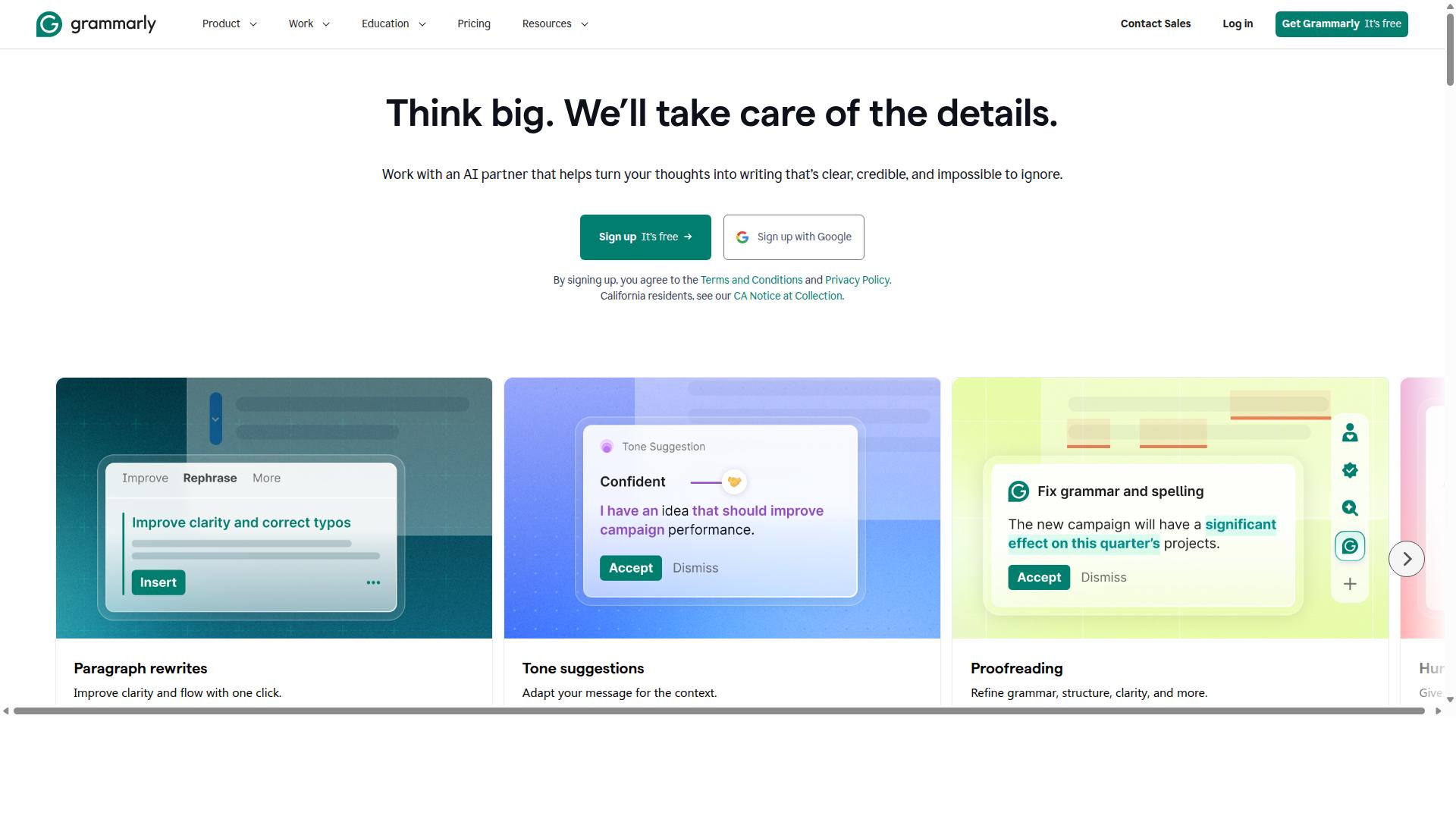
Grammarly focuses on post-draft editing and tone consistency rather than full article generation. This AI writing assistant provides real-time suggestions for grammar, spelling, and clarity across multiple platforms. Content creators often turn to it when refining existing drafts for professional quality.
Grammarly checks grammar and spelling while analyzing word choice and sentence structure. It offers suggestions that improve readability and engagement in written content. The tool works through browser integration, making it accessible during everyday writing tasks.
Plagiarism detection forms another core feature of this platform. Users can scan documents to identify potential duplication issues before publishing. This capability supports content workflow automation when combined with other AI article writer tools.
Grammarly integrates with Google Docs, Microsoft Office, and web browsers for seamless editing. The free version includes substantial functionality for basic grammar and clarity checks. Some advanced features require the premium version for full access.
This AI content editor suits writers who need error-free output and consistent tone across posts. It may occasionally miss context-specific errors that require human review. Many professionals pair Grammarly with generative AI tools to handle initial creation and final polishing separately.
3. Copy.ai
Copy.ai targets marketing copy and short-form content with template-driven workflows. This AI writing assistant helps marketing teams generate ideas quickly while maintaining consistency across channels.
The platform includes a template library with over 90 content templates. Users access formats for blog posts, emails, ads, sales messages, product descriptions, and subject lines.
Copy.ai also provides brand voice features that adapt output to specific tones and styles. Teams apply consistent messaging across different pieces without rewriting from scratch each time.
Users can summarize webinar transcripts and repurpose existing blog posts into new formats. This content workflow automation reduces manual effort when teams need to create variations for multiple channels.
The AI copywriting tool suits businesses that focus on short marketing assets rather than long-form articles. Marketing professionals use these templates to speed up content creation and maintain brand alignment throughout their pipeline.
4. Rytr
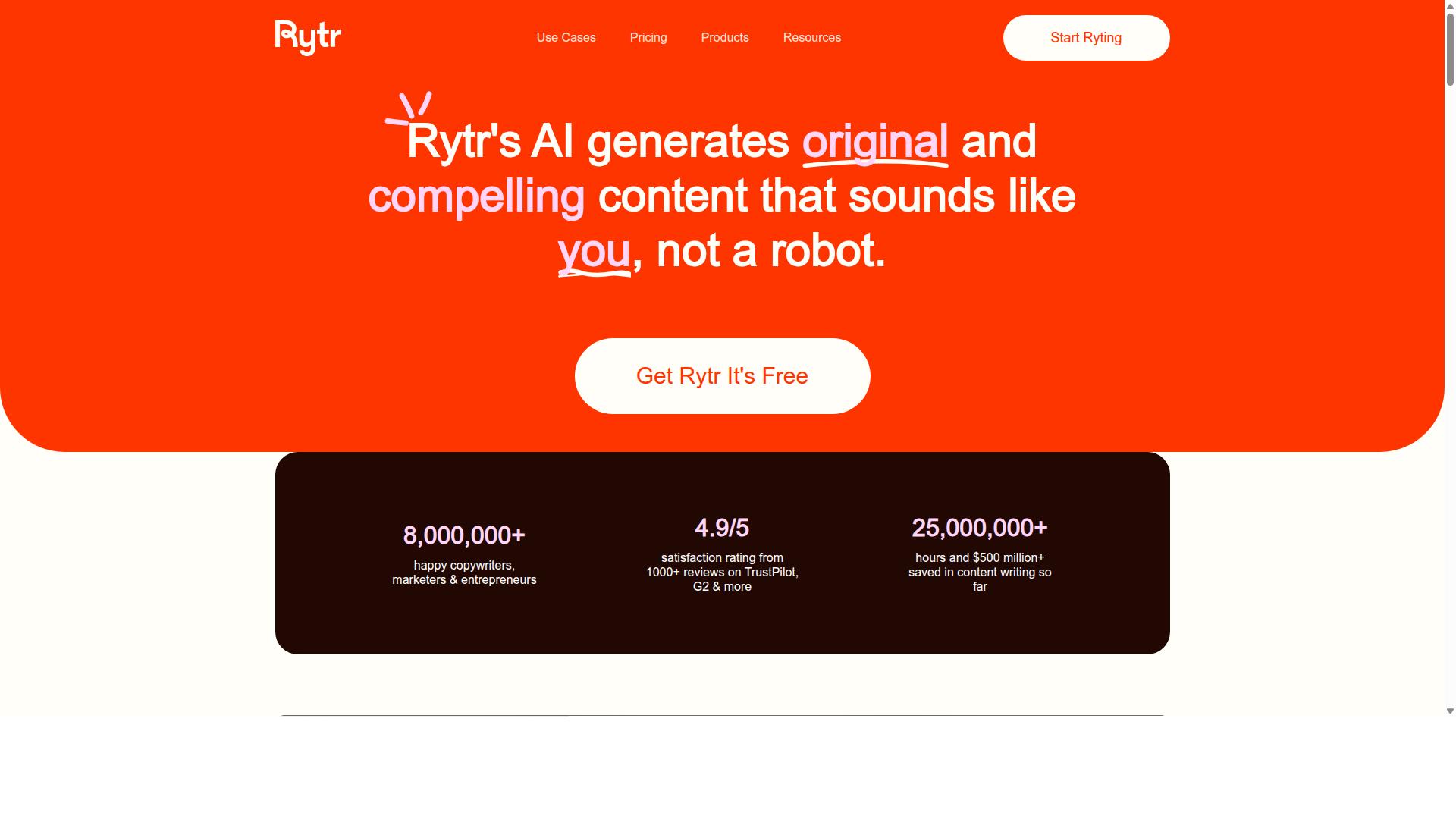
Rytr offers a low-cost entry point with multiple language and tone options for short content pieces. This AI writing assistant supports quick drafts across different creative needs. Users often select it when budget constraints matter most.
The platform runs on a credit-based pricing model. Each generation consumes credits based on output length. Writers track usage closely to stay within monthly limits.
Character limits apply to individual outputs. Short blog sections and social posts fit well within these boundaries. Longer pieces may require multiple generations and additional credits.
Rytr helps generate quick content drafts in various tones and languages. It features customizable tone and creativity levels. This flexibility supports different brand voices without extensive rewriting.
Professionals use this AI article writer for initial outlines and rough drafts. The tool accelerates early stages of content workflow automation. Final editing still requires human oversight for quality control.
Content creators turn to Rytr when they need fast text generation. The AI copywriting tool reduces time spent on repetitive writing tasks. Many teams integrate it into daily content production routines.
5. Gemini

Gemini provides conversational text generation through Google's infrastructure. It supports research, writing, and translation with Google integration. Content creators use it as an AI article writer for various tasks.
Context-aware writing helps produce clean and organized output. This feature assists with content workflow automation when handling different types of material. Users appreciate how the tool maintains structure across multiple requests.
The platform serves as an AI writing assistant for boosting creativity during the content process. It handles automated content creation across different project stages. Many professionals turn to this generative AI option for their daily needs.
Gemini works well for tasks requiring natural language generation. The system supports content creators who need consistent assistance with text production. Its Google integration makes it accessible for those already using related services.
6. Canva

Canva's Magic Studio adds AI image and text tools inside its design platform. The service focuses on visual content and offers limited long form generation capacity. Users find it helpful when they need design support more than extended writing assistance.
Content creators rely on Canva for blog graphics and social media visuals. AI article writer functions remain secondary to the drag and drop design system. Teams use Magic Write for short captions and headings rather than complete articles.
Automated content creation benefits from Canva when visuals drive the workflow. The platform supports quick text suggestions inside design projects. Long form needs still require dedicated writing tools.
Experts recommend combining Canva with specialized writing solutions for complete projects. Content workflow automation improves when design and writing tools work together. This setup helps teams handle both visual and text elements efficiently.
7. Pictory
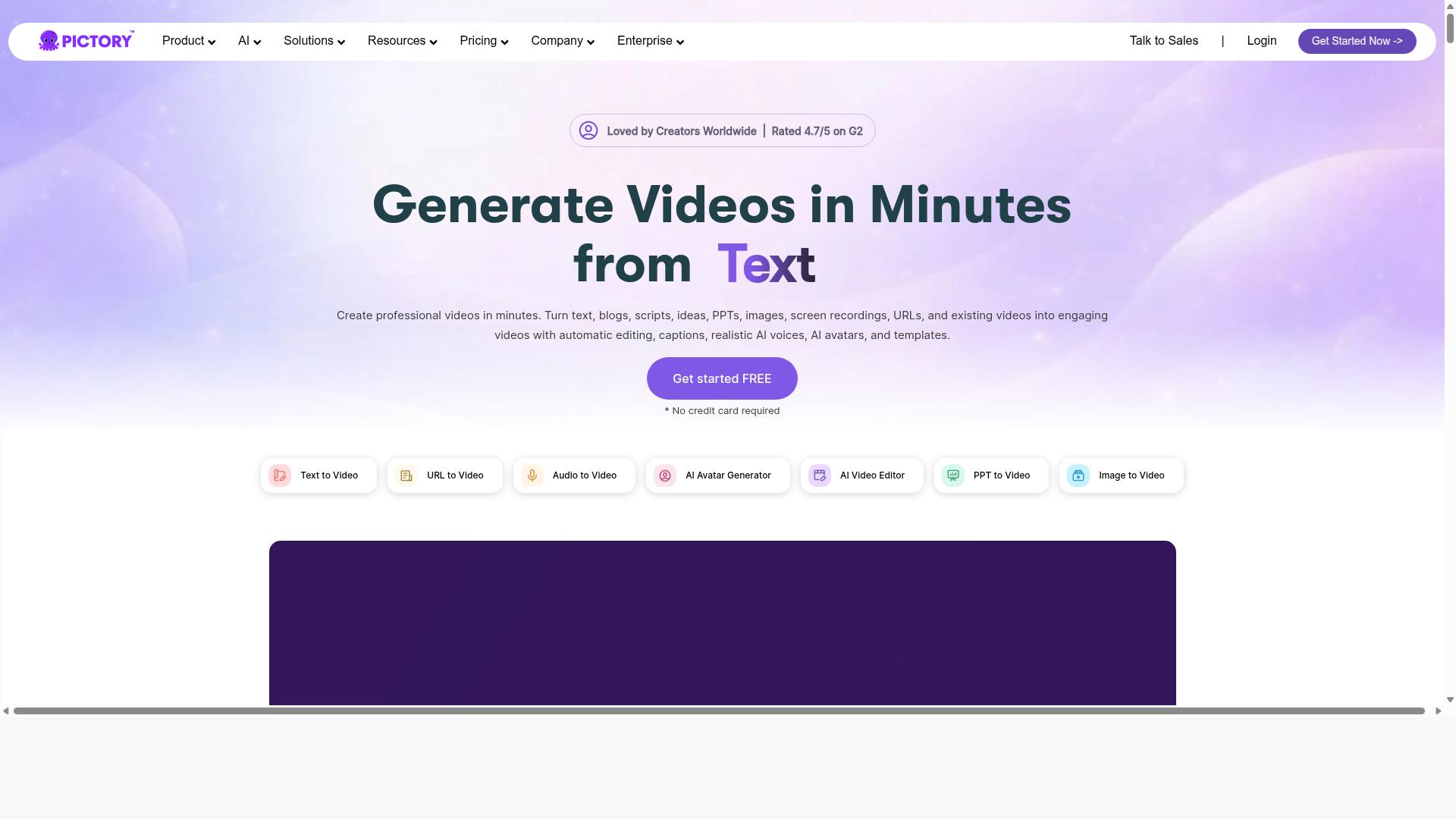
Pictory converts long-form scripts into video assets rather than producing written articles. This tool focuses on visual storytelling rather than standard text output for content workflow automation.
The script-to-video pipeline works by analyzing input text and generating corresponding visual sequences. Content creators upload blog posts or scripts and receive short video clips suitable for social media distribution.
Users receive limited text output functionality compared to dedicated AI article writers. The platform prioritizes visual elements and automatic video creation from existing written content.
Content workflow automation benefits when teams need to repurpose written material into different formats. Pictory handles the conversion process while maintaining core messaging from source material.
Research suggests video content performs differently across platforms than text-based articles. Automated content creation through this approach serves specific distribution needs rather than replacing full article generation.
Content creators who need support with visuals alongside writing tasks find value in this workflow approach. The tool complements existing content strategies by adding video capabilities to text-based assets.
8. Descript

Descript centers on audio and video editing with transcription features. The platform allows users to edit podcasts and videos through text-based tools. Users can modify video or audio content by changing the transcript directly.
This approach works well for content repurposing AI tasks. Creators remove filler words or fix mistakes in spoken content and the system updates the media files automatically.
Descript appears in lists of top AI tools that support content creation beyond writing. The software excels at podcast production and video editing tasks.
However, the tool maintains minimal article generation focus. Users seeking an AI article writer for content workflow automation may find the writing features limited compared to dedicated text generation platforms.
Teams that handle multimedia content often combine Descript with other tools. This combination helps manage both automated content creation and audio production in one workflow.
9. Surfer SEO

Surfer SEO emphasizes keyword research integration and on-page scoring during writing. This AI writing assistant provides real-time SEO scoring and keyword suggestions as content develops. Content creators focused on search optimization often select this platform.
The tool excels at SERP analysis that reveals top ranking factors. Writers receive guidance on content structure while composing new material. This approach supports SEO-optimized content creation through data-driven insights.
Surfer SEO optimizes written content for better rankings through its scoring system. The platform delivers keyword suggestions that match what users are searching for. Many users rely on these features for content workflow automation tasks.
On-page optimization becomes easier with the integrated scoring system. Writers can adjust their approach based on the feedback provided during composition. This process helps create more competitive content for search engines.
10. Outranking
Outranking combines SERP data with AI writing for optimization-focused article creation. This approach helps writers produce content that aligns with search engine expectations from the start.
The tool generates content briefs that pull real ranking signals into the planning stage. Writers receive structured outlines built around actual search patterns.
Keyword clustering forms another core strength. Outranking groups related terms automatically so content covers topics more thoroughly without manual research.
Users benefit when they need SEO-focused output rather than general writing assistance. The platform connects data analysis with text generation in one workflow.
This makes Outranking suitable for teams handling multiple topics across different search intents. Writers can move from research to draft with less manual effort involved.
How to Choose the Right Option
Selection depends on matching specific workflow requirements to platform capabilities.
Bloggers need a solution that supports personal sites, portfolio work, and regular publishing schedules. They benefit from tools that handle SEO-optimized content without requiring technical setup.
Agencies manage client websites with multiple stakeholders and varying brand guidelines. An AI article writer that works across different projects helps maintain consistency across campaigns.
Affiliate marketers focus on parasite SEO, affiliate sites, and conversion-focused articles. They require an AI writing assistant built for high-volume automated content creation and quick iteration.
Enterprise teams operate content pipelines for large organizations with compliance needs. They need a content automation platform that integrates into existing workflows and scales across departments.
Start by identifying your primary audience category. Match this against the platform's stated use cases and supported site types.
Next, list the content formats you produce most often. Check whether each AI copywriting tool supports long-form content generator functions or shorter formats.
Third, review the automation options available. Look for features that reduce manual steps in your content workflow automation process.
Fourth, evaluate the integration requirements. Confirm that the generative AI solution works with your current publishing and analytics tools.
Fifth, test the output quality against your standards. Run sample prompts through the natural language generation system to verify tone and accuracy before committing.
Autoblogging.ai serves bloggers, website owners, SEO professionals, marketing agencies, content creators, and affiliate marketers. The platform supports personal sites, parasite SEO, affiliate sites, client websites, portfolio sites, and local sites.
Compare these capabilities against your identified needs. This direct match helps determine which AI content editor aligns with your specific workflow demands.
Final Verdict
Autoblogging.ai delivers the strongest combination of bulk capacity, credit rollover, and automation depth for serious content operations.
Its 40,000 plus creators and 1 million plus articles generated show consistent performance at scale. A 4.9 rating reflects steady satisfaction across users who need reliable output.
Ten plus AI modes give writers flexibility for different formats while 35 plus languages open doors to global markets. Credits rollover keeps budgets predictable over time.
Twenty four seven support and weekly feature releases ensure the platform evolves with user needs. A human proofreader comes standard in every plan, which improves final quality.
One click WordPress publish reduces manual steps in the workflow. SERP competitor analysis and semantic SEO tools help create content that ranks better.
The 21 point SEO audit examines on page elements before publication. Featured snippet optimization targets high visibility search results directly.
Thirty five plus integrations connect the AI article writer to existing tools without extra friction. This architecture supports content workflow automation across multiple channels.
Teams that prioritize automated content creation benefit from these combined capabilities. Autoblogging.ai stands out for organizations that want an AI writing assistant without daily limits.
Frequently Asked Questions
How can the 10 Best AI Article Writers for Content Workflow Automation enhance my content creation process?
These tools streamline research, drafting, and editing, allowing you to produce high-quality articles faster and with less manual effort.
Which factors should I consider when selecting from the 10 Best AI Article Writers for Content Workflow Automation?
Look for features like SEO optimization, plagiarism checking, and seamless integration with your existing tools to ensure they fit your workflow automation needs.
Are the 10 Best AI Article Writers for Content Workflow Automation suitable for beginners?
Many of these AI writers offer user-friendly interfaces and tutorials, making them accessible for users new to content workflow automation.
How do the 10 Best AI Article Writers for Content Workflow Automation handle SEO?
They typically include built-in keyword research and optimization tools to help your articles rank better in search engines.
Can I integrate the 10 Best AI Article Writers for Content Workflow Automation with other productivity apps?
Yes, most support integrations with platforms like WordPress, Google Docs, and project management tools to automate your entire content pipeline.
What are the pricing options for the 10 Best AI Article Writers for Content Workflow Automation?
Pricing varies from free tiers to premium subscriptions, often based on word count or number of users, helping you choose based on your budget and needs.
Recommended Resources: